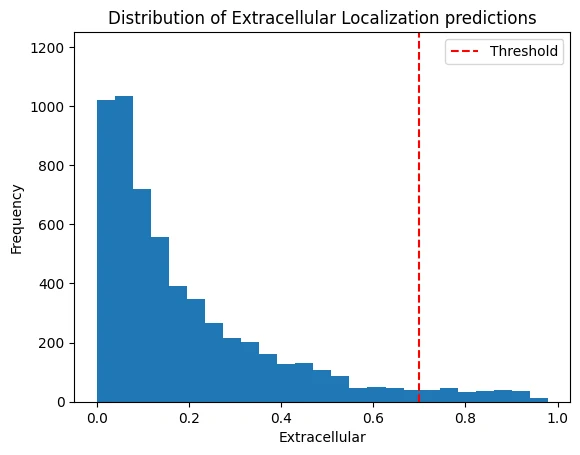
Screening the proteome of Cyclospora cayetanensis to find and prioritize an ideal rapid antigen test target, then designing de novo protein binders against it. Public assemblies are QC'd and clustered, DeepLoc 2.1 is used to find surface-localized proteins, and OrthoFinder & PaxDB are used in tandem to estimate proteome-level abundances from taxonomic relatives. Currently 9 protein candidates are being studied.
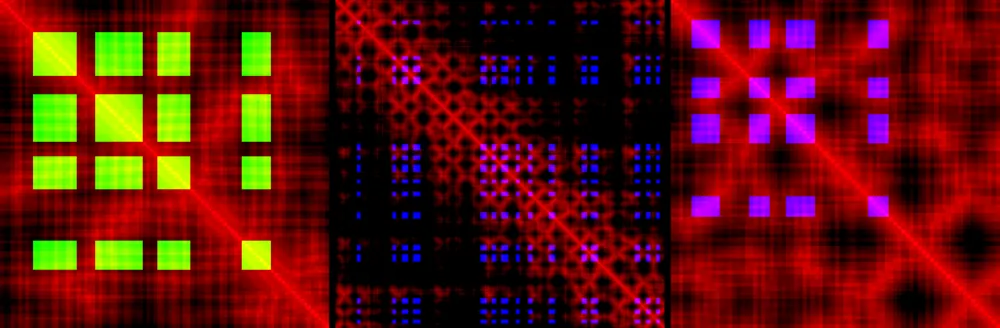
Classifies protein CATH architecture from contact map. Each domain is rendered as an RGB contact map and read by a dilated CoordConv residual CNN. Benchmarked on out-of-distribution contact maps by vaulting whole superfamilies out of training similarly to DockGen and Chainsaw.
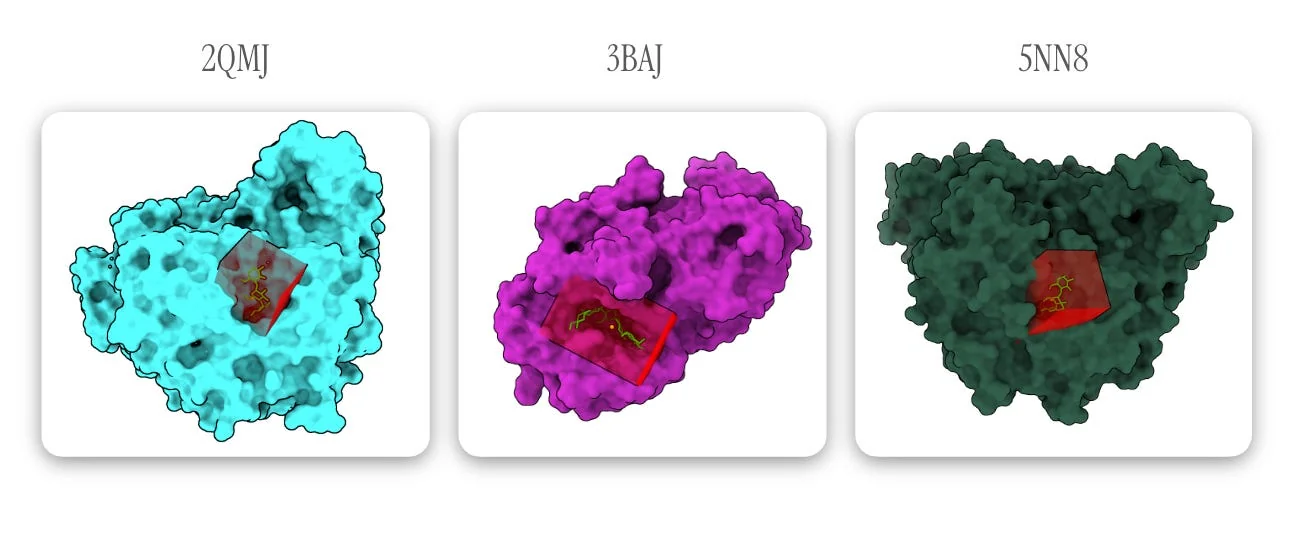
Identified 71 natural alternatives to a $200 million drug entirely in silico. Screened the COCONUT natural-products database by chemical similarity to acarbose, then docked the survivors with GNINA and ranked them using CNN-VS. Used decoys, redocking replicates, and stability analysis to provide robustness.
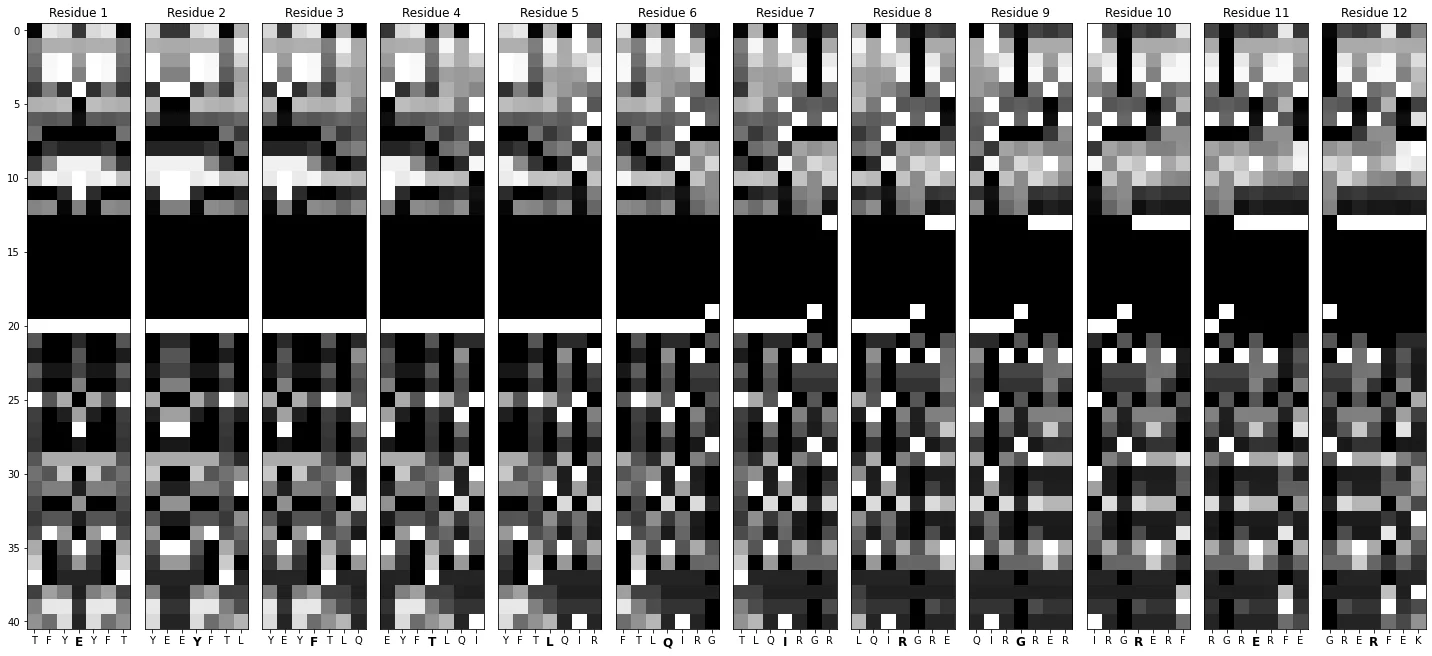
Assembling and comparing four different ML/DL models on identifying peptide-protein binding sites. Built alongside a custom ML-friendly dataset extracted and parsed directly from the PDB. The CNN, Visual-PepBDB, won: 79.3% sensitivity, 12 points above the original paper's model.
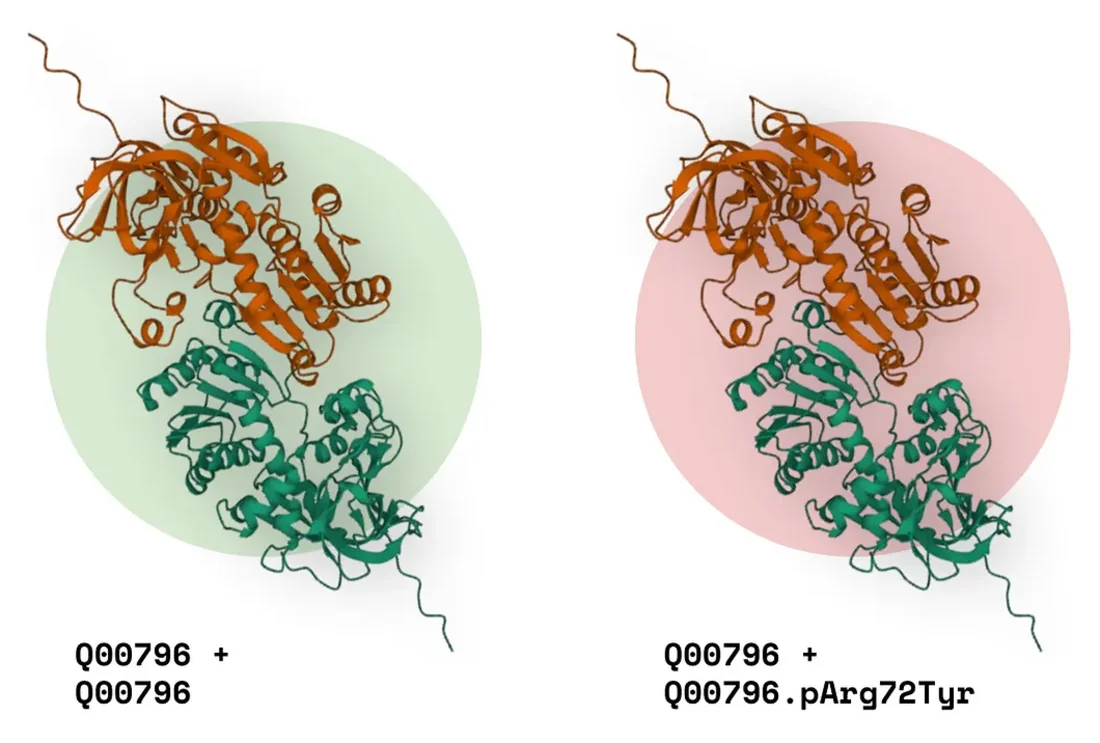
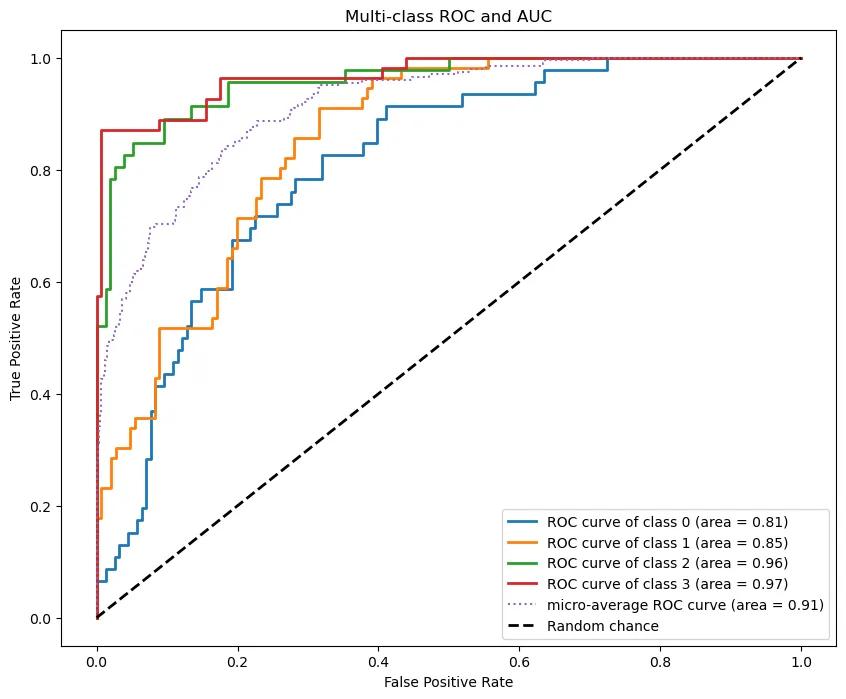
Utilized over 47,000 SLURM jobs to generate AlphaFold-Multimer predictions for wild-type and mutant protein complexes. Structural and sequence features were extracted to train an XGBoost classifier, achieving a 91% AUC for predicting PPI disruption.
Finds variants of known effect at protein–protein interfaces to use as in silico controls. Takes pathogenic and benign variant tables from ClinVar, keeps the ones PIONEER places at PPI-encoding sequences, and outputs a JSON of positive and negative controls. Built to test AlphaFold-Multimer at SickKids.
Compares wild-type protein complexes predicted with AlphaFold-Multimer against the same complexes with missense mutations introduced. Its scripts measure Cα and Cβ distances across the interface, find consensus interface residues, score Jaccard similarity between wild-type and missense interfaces, average PI-score features, and run a U-test between the two.
Pulls every hyperlink and its anchor text from a page, scores each linked domain's authority with the Moz API, and reports the scores and their average. Built in under a day with GPT-4o, to automate a fact-checking step from editing work at a marketing agency.
Designing de novo binders for a Cyclospora rapid test from 5,793 screened proteins [IN PROGRESS]
9 candidates from 5,793 proteins screened for surface exposure, nucleotide diversity, and ranked by abundance; binder design next
Screening the proteome of Cyclospora cayetanensis to find and prioritize an ideal rapid antigen test target, then designing de novo protein binders against it. Public assemblies are QC'd and clustered, DeepLoc 2.1 is used to find surface-localized proteins, and OrthoFinder & PaxDB are used in tandem to estimate proteome-level abundances from taxonomic relatives. Currently 9 protein candidates are being studied.
PAC-MAPS: a protein architecture classifier CNN that matches Foldseek on unseen protein folds
74% balanced accuracy across 14 CATH architectures on held-out superfamilies, level with Foldseek
Classifies protein CATH architecture from contact map. Each domain is rendered as an RGB contact map and read by a dilated CoordConv residual CNN. Benchmarked on out-of-distribution contact maps by vaulting whole superfamilies out of training similarly to DockGen and Chainsaw.
71 natural alternatives to a $200M diabetes drug found entirely in silico using GNINA
71 candidates pulled from the COCONUT library, docked with GNINA and ranked on CNN-VS
Identified 71 natural alternatives to a $200 million drug entirely in silico. Screened the COCONUT natural-products database by chemical similarity to acarbose, then docked the survivors with GNINA and ranked them using CNN-VS. Used decoys, redocking replicates, and stability analysis to provide robustness.
Visual-PepBDB: a CNN that beats the published model's sensitivity by 12 points
79.3% sensitivity on peptide binding sites, 12 points above the original paper's model, at 78.6% accuracy
Assembling and comparing four different ML/DL models on identifying peptide-protein binding sites. Built alongside a custom ML-friendly dataset extracted and parsed directly from the PDB. The CNN, Visual-PepBDB, won: 79.3% sensitivity, 12 points above the original paper's model.
Predicting PPI disruption by missense variants at 0.91 AUC with AlphaFold-Multimer
0.91 AUC predicting PPI disruption, from 47,000+ AlphaFold-Multimer jobs
Utilized over 47,000 SLURM jobs to generate AlphaFold-Multimer predictions for wild-type and mutant protein complexes. Structural and sequence features were extracted to train an XGBoost classifier, achieving a 91% AUC for predicting PPI disruption.
VICI: automated ClinVar controls for testing AlphaFold-Multimer at SickKids
An open source command line tool to find P/LP and B/LB controls to test AF-M using PIONEER.
Finds variants of known effect at protein–protein interfaces to use as in silico controls. Takes pathogenic and benign variant tables from ClinVar, keeps the ones PIONEER places at PPI-encoding sequences, and outputs a JSON of positive and negative controls. Built to test AlphaFold-Multimer at SickKids.
DAMIA: measuring how disease mutations reshape predicted protein interfaces
Pipeline and command line utility for analyzing missense variant protein-protein interfaces in silico.
Compares wild-type protein complexes predicted with AlphaFold-Multimer against the same complexes with missense mutations introduced. Its scripts measure Cα and Cβ distances across the interface, find consensus interface residues, score Jaccard similarity between wild-type and missense interfaces, average PI-score features, and run a U-test between the two.
Hyperjudge: a live link-authority checker built in under a day
A web app that checks the validity of linked sources in documents and webpages.
Pulls every hyperlink and its anchor text from a page, scores each linked domain's authority with the Moz API, and reports the scores and their average. Built in under a day with GPT-4o, to automate a fact-checking step from editing work at a marketing agency.